

Peer-Reviewed Study Demonstrates Agreement Between Techcyte’s AI-Assisted Digital Parasitology Workflow and Microscopy
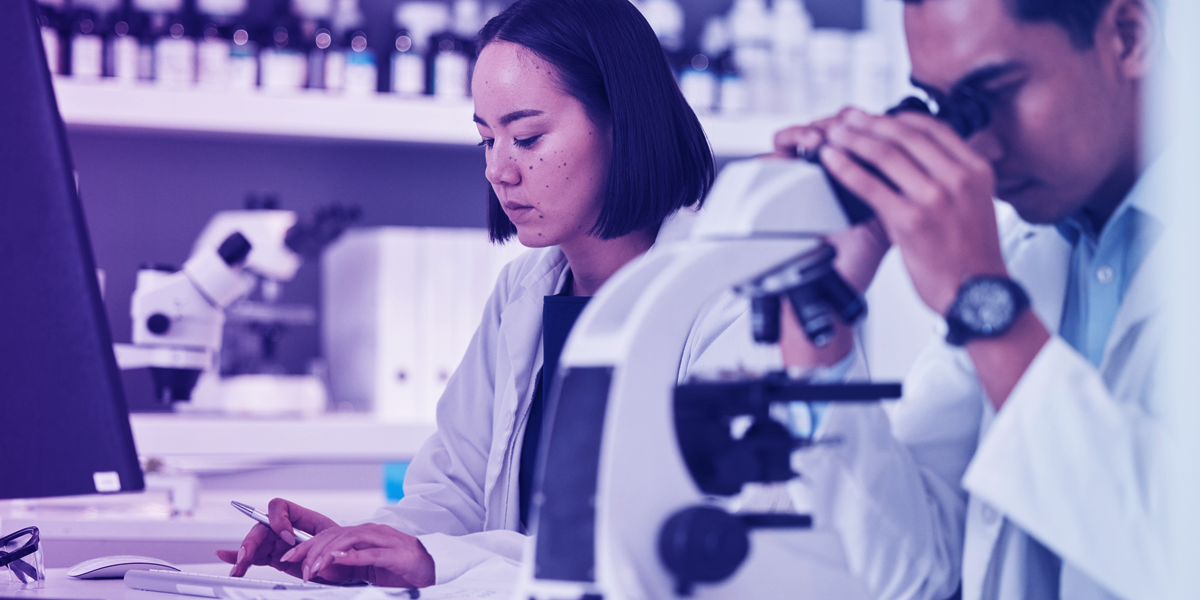
The prospective study, conducted by the Institute for Infectious Diseases at the University of Bern, assessed 208 consecutive diagnostic stool samples over a three-month period, comparing the digital workflow to traditional brightfield microscopy. Results demonstrated excellent agreement, with approximately 98% overall concordance and a Cohen’s kappa of 0.915, indicating strong alignment between AI-assisted digital review and conventional microscopy.
In addition to prospective testing, the authors evaluated a reference panel of archived samples and conducted precision studies involving repeated scans and testing across multiple days. These analyses demonstrated consistent detection and reproducibility, supporting the stability of the workflow under routine laboratory conditions.
“Our goal was to evaluate how an AI-assisted digital parasitology workflow performs under everyday laboratory conditions,” said Dr. Alexander Oberli, lead author of the study. “We observed excellent agreement with light microscopy and consistent performance across repeated testing. The ability to pre-classify objects of interest helped streamline review while maintaining appropriate expert oversight.”
The study also documented cases in which the AI-assisted workflow flagged low-burden parasitic findings that were initially missed during manual microscopy review and subsequently confirmed upon re-examination. These observations support the author's positioning of the workflow as a screening and efficiency tool that supports laboratory professionals by prioritizing areas of interest for their expert analysis.
“This publication reflects the kind of clinically grounded evidence laboratories look for when evaluating digital pathology solutions,” said Brian Cahoon, Director of Clinical Pathology at Techcyte. “It demonstrates how AI can be responsibly integrated into existing workflows to improve consistency and efficiency while keeping diagnostic decision-making firmly in the hands of trained professionals.”
These findings highlight the potential of AI-assisted digital parasitology to support laboratories facing increasing workload, staffing pressures, and variability inherent to manual microscopy. By demonstrating strong agreement with established diagnostic methods and consistent performance under routine conditions, the study reinforces the role of Techcyte’s platform as a practical, clinically aligned solution for modernizing microscopy-based workflows. As laboratories continue to adopt digital pathology, peer-reviewed evidence such as this illustrates how AI can be responsibly deployed to enhance efficiency, consistency, and confidence in everyday diagnostic practice.
###
About Techcyte
Techcyte is transforming the practice of pathology through a unified, AI-powered digital platform that streamlines complex workflows, integrates with core lab systems, and enhances communication across the lab.
By partnering with leading laboratories, scanner manufacturers, diagnostic hardware providers, and AI developers, we deliver a unified digital pathology platform to labs and clinics around the world, furthering our mission to positively impact the health of humans, animals, and the environment.
Visit techcyte.com for more information.
Techcyte’s anatomic and clinical pathology platform is for Research Use Only in the United States.
Troy Bankhead
Techcyte
+1 435 210-6200
email us here
Visit us on social media:
LinkedIn
Facebook
X
Legal Disclaimer:
EIN Presswire provides this news content "as is" without warranty of any kind. We do not accept any responsibility or liability for the accuracy, content, images, videos, licenses, completeness, legality, or reliability of the information contained in this article. If you have any complaints or copyright issues related to this article, kindly contact the author above.
