

Pre-Budget 2026: Why Healthcare Capex and Policy Stability Are Essential for India’s Economic Growth
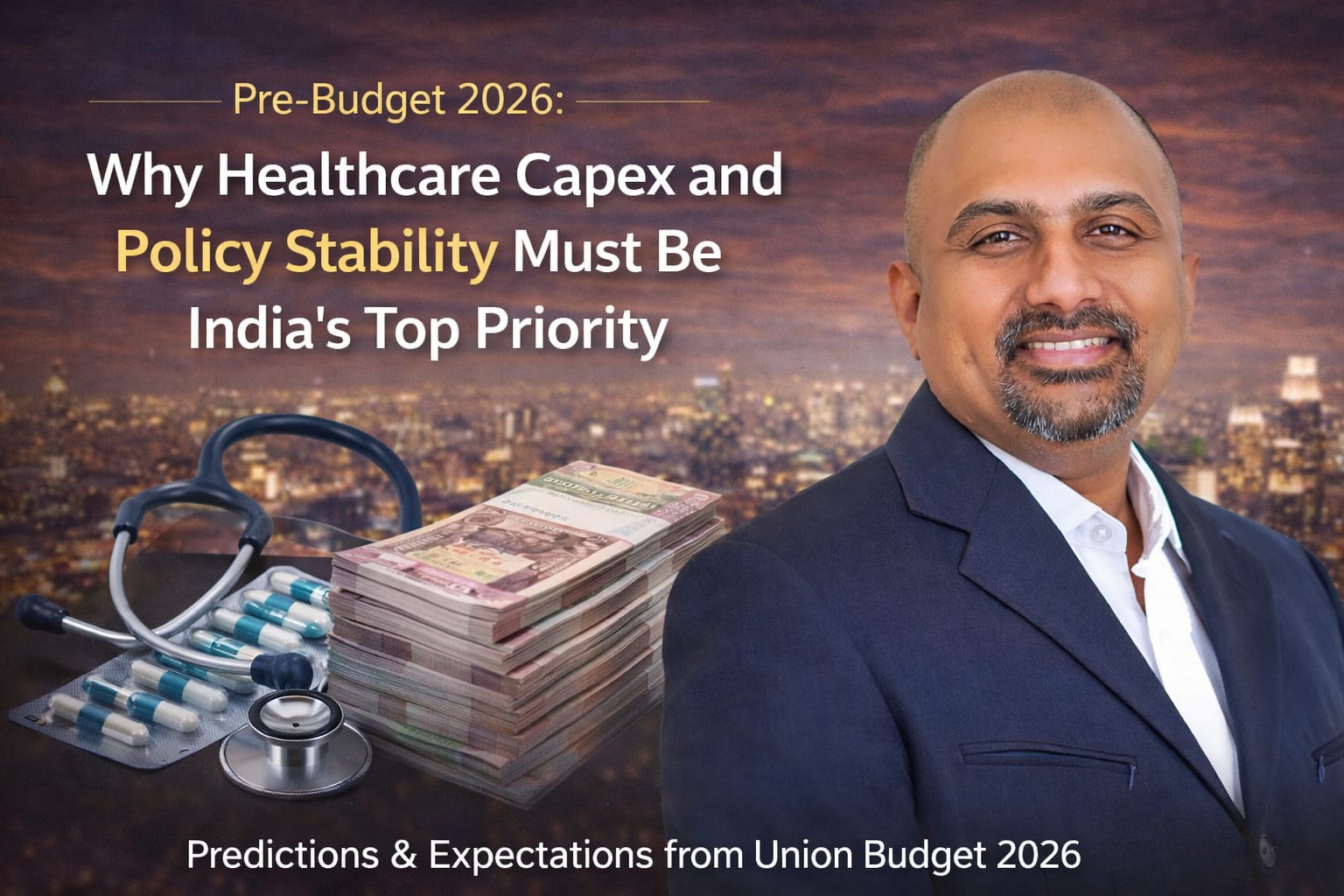
Pre-Budget 2026: Why Healthcare Capex and Policy Stability Must Be India’s Top Priority
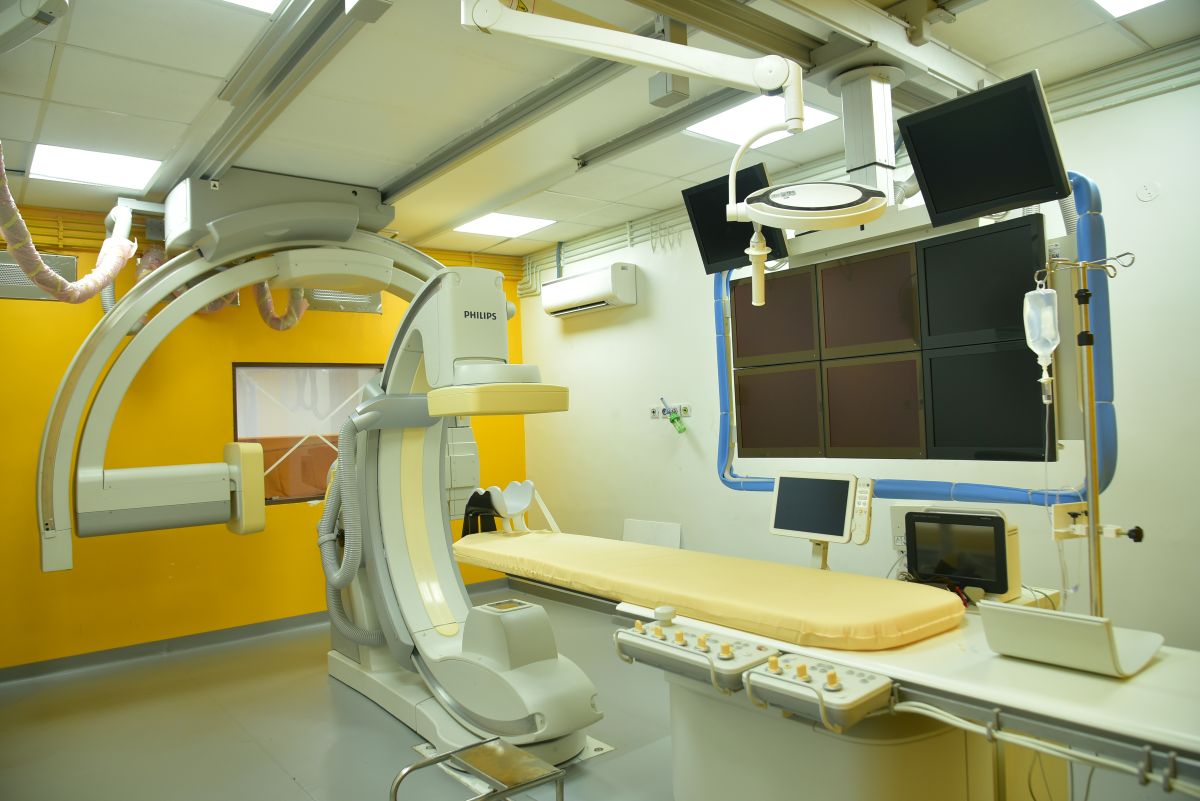
The advanced biplane cath lab at Dr. Rao's Hospital, designed for precision neurovascular procedures and minimally invasive surgeries, first in Andhra Pradesh and Telangana in India.
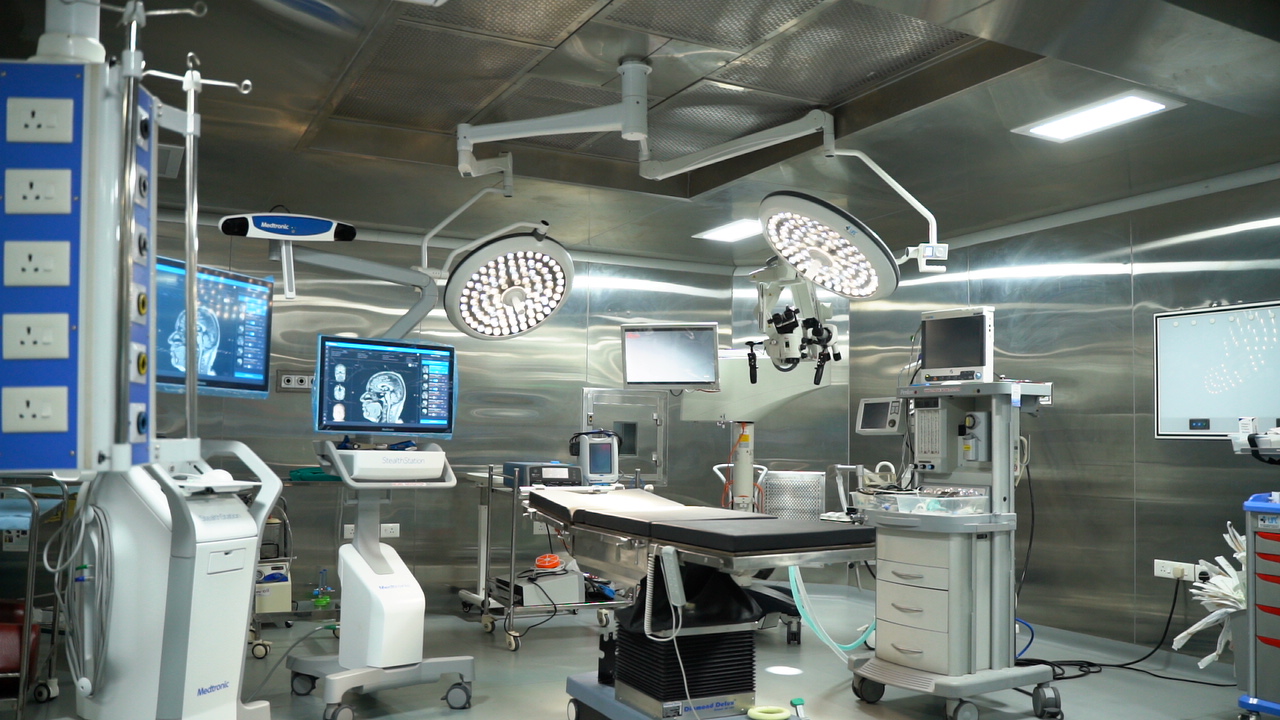
The high-tech neurosurgery operating room at Dr. Rao's Hospital, Guntur featuring advanced imaging and navigation systems for precise brain and spine surgeries.

Dr. Mohana Rao Patibandla, CMD & CEO of Dr. Rao’s Institute of Medical Sciences, featured in the Insights Success cover story for his groundbreaking contributions to neurosurgery in India.

The best neurosurgeon in India
Healthcare capex, policy stability, MSME support, and digital health must anchor Budget 2026 to strengthen India’s long-term economic resilience.
As India prepares for Union Budget 2026, healthcare must be recognised as a core economic enabler rather than a peripheral social sector. Sustained investment in healthcare infrastructure, policy stability, and ecosystem-wide support will be critical to strengthening workforce productivity, reducing long-term disease burden, and ensuring resilient economic growth.
Over the past decade, India has made meaningful progress in expanding healthcare access and insurance coverage. However, the next phase of reform must focus on deep structural strengthening—particularly capital expenditure, regulatory predictability, and support for healthcare-linked MSMEs.
Healthcare Capex as Economic Infrastructure
Healthcare capital expenditure should be treated on par with investments in roads, ports, and digital infrastructure. India continues to face shortages in advanced tertiary and quaternary care facilities, especially in Tier 2 and Tier 3 cities. Budget 2026 presents an opportunity to address this gap through sustained funding for advanced care, trauma systems, and critical care infrastructure.
Such investments are not consumption-driven expenses. They reduce long-term disability, improve workforce participation, and lower future public health expenditure by enabling early and effective treatment.
Policy Stability: Enabling Long-Term Investment
Healthcare institutions operate on long gestation cycles, often requiring years before achieving operational stability. Frequent changes in taxation structures, compliance requirements, or reimbursement mechanisms create uncertainty and discourage long-term private investment.
Budget 2026 should prioritise policy stability through clearer GST rationalisation for medical inputs, predictable compliance frameworks, and incentives that encourage reinvestment into infrastructure, training, and technology. A stable policy environment is essential to unlock sustained private participation in healthcare expansion.
Empowering Healthcare MSMEs
Healthcare MSMEs form the backbone of diagnostics, medical devices, consumables, and digital health innovation. Many of these enterprises face challenges related to access to affordable capital, regulatory complexity, and scale-up constraints.
Targeted financial support, simplified regulatory pathways, and incentives for indigenous manufacturing can strengthen domestic supply chains, reduce import dependence, and promote innovation tailored to Indian healthcare needs. Supporting healthcare MSMEs also aligns closely with India’s broader self-reliance and employment-generation objectives.
Technology and Digital Health at Scale
India has demonstrated strong digital capabilities in healthcare, but adoption remains uneven across regions. Budget 2026 should accelerate the transition from pilot projects to scalable digital health systems, particularly in diagnostics, remote monitoring, and follow-up care.
Structured incentives for AI-assisted diagnostics, interoperable health records, and telemedicine platforms can improve access and efficiency, especially in underserved areas. Technology should complement clinicians by enhancing accuracy, reach, and continuity of care.
Investing in Human Capital
Healthcare infrastructure is only as effective as the professionals who operate it. Continued investment in medical education, nursing and allied health training, and continuous skill upgradation is essential to sustain quality care delivery. Retention strategies are equally important to reduce workforce attrition and maintain system capacity.
Conclusion
Budget 2026 offers a critical opportunity to move from reactive healthcare spending to strategic, long-term nation-building investment. Robust capital expenditure, policy stability, MSME enablement, technology integration, and human capital development will collectively strengthen India’s healthcare ecosystem and contribute meaningfully to economic resilience.
A healthier population is not just a social objective—it is a foundational requirement for sustainable national growth.
About the Author
Dr. Mohana Rao Patibandla is a neurosurgeon and healthcare leader based in Guntur, Andhra Pradesh. He is actively engaged in advanced brain and spine care, healthcare infrastructure development, and policy-focused discussions on strengthening India’s healthcare delivery systems.
Healthcare Budget 2026, India Healthcare Policy, Healthcare Infrastructure India, Medical MSMEs India, Digital Health India, Healthcare Capex
Mohana Rao Patibandla
Patibandla Narayana Swamy Neurosciences LLP
+ +91 90100 56444
info@drraoshospitals.com
Visit us on social media:
LinkedIn
Instagram
Facebook
YouTube
X
Legal Disclaimer:
EIN Presswire provides this news content "as is" without warranty of any kind. We do not accept any responsibility or liability for the accuracy, content, images, videos, licenses, completeness, legality, or reliability of the information contained in this article. If you have any complaints or copyright issues related to this article, kindly contact the author above.
