

Woman getting ears checked by doctor
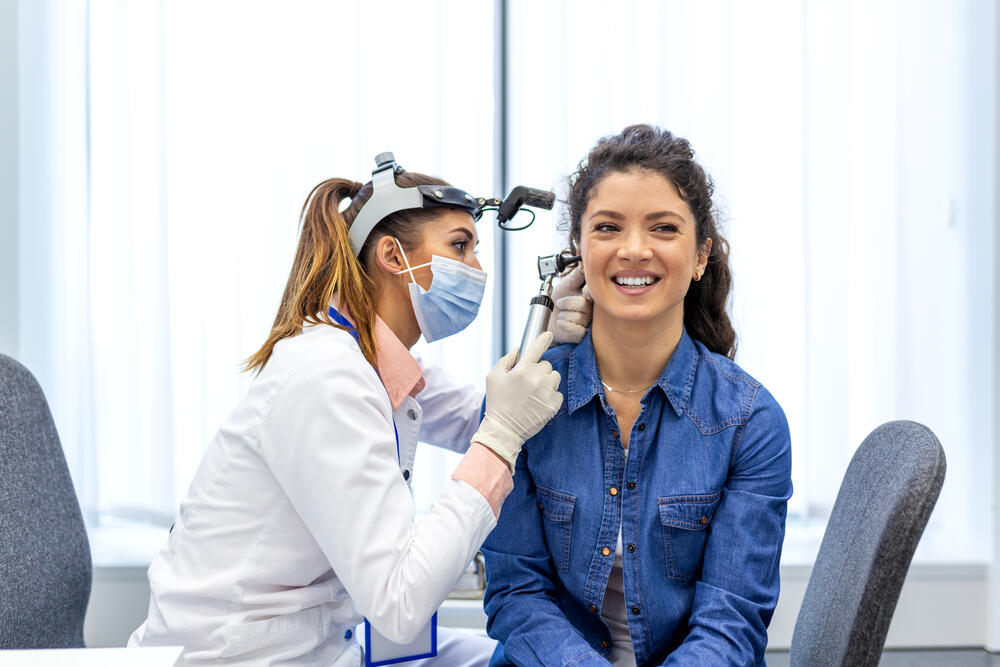
Woman getting ears checked by doctor
When it comes to your health, there’s no such thing as starting too early. Eating whole, nutritious foods, staying active, limiting alcohol, managing stress and getting routine checkups are all part of your preventive care.
Preventive care is generally focused on the following:
As a caregiver or advocate, you may need to help make health care appointments and possibly attend these appointments with the loved one you’re caring for. In either situation, organization of medical records and other information — such as prescriptions and other provider visits — is key.
Try using these resources to help manage medical appointments and keep information in one place:
Managing a Doctor’s Visit as a Caregiver (pdf)
Medical Appointment Checklist for Primary Care Provider (pdf)
Legal Disclaimer:
EIN Presswire provides this news content "as is" without warranty of any kind. We do not accept any responsibility or liability for the accuracy, content, images, videos, licenses, completeness, legality, or reliability of the information contained in this article. If you have any complaints or copyright issues related to this article, kindly contact the author above.
